



Overview
Kerala has a way of slowing you down. The first time you push off in a houseboat through the Alleppey backwaters, watching the world drift by at three knots, you realise that this is what holidays were originally supposed to feel like.
God's Own Country has been on travellers' lists for decades — and yet, somehow, it keeps reinventing itself. New boutique hotels in old spice warehouses, a growing farm-to-table food scene, authentic Ayurveda experiences that go far beyond the hotel spa menu, and tea-estate stays that feel like stepping into a period drama.
Here are seven reasons Kerala still belongs on every traveller's list — and why 2026, with its sweet spot of settled weather and new hotel openings, is the year to finally go.
Quick Facts About Kerala
Before you book, here's everything at a glance.
The 7 Reasons
Each reason is a story in itself. Together, they explain why travellers return to Kerala — and why many never quite make it back anywhere else.
 Reason 1
The Backwaters Are Unique in the World
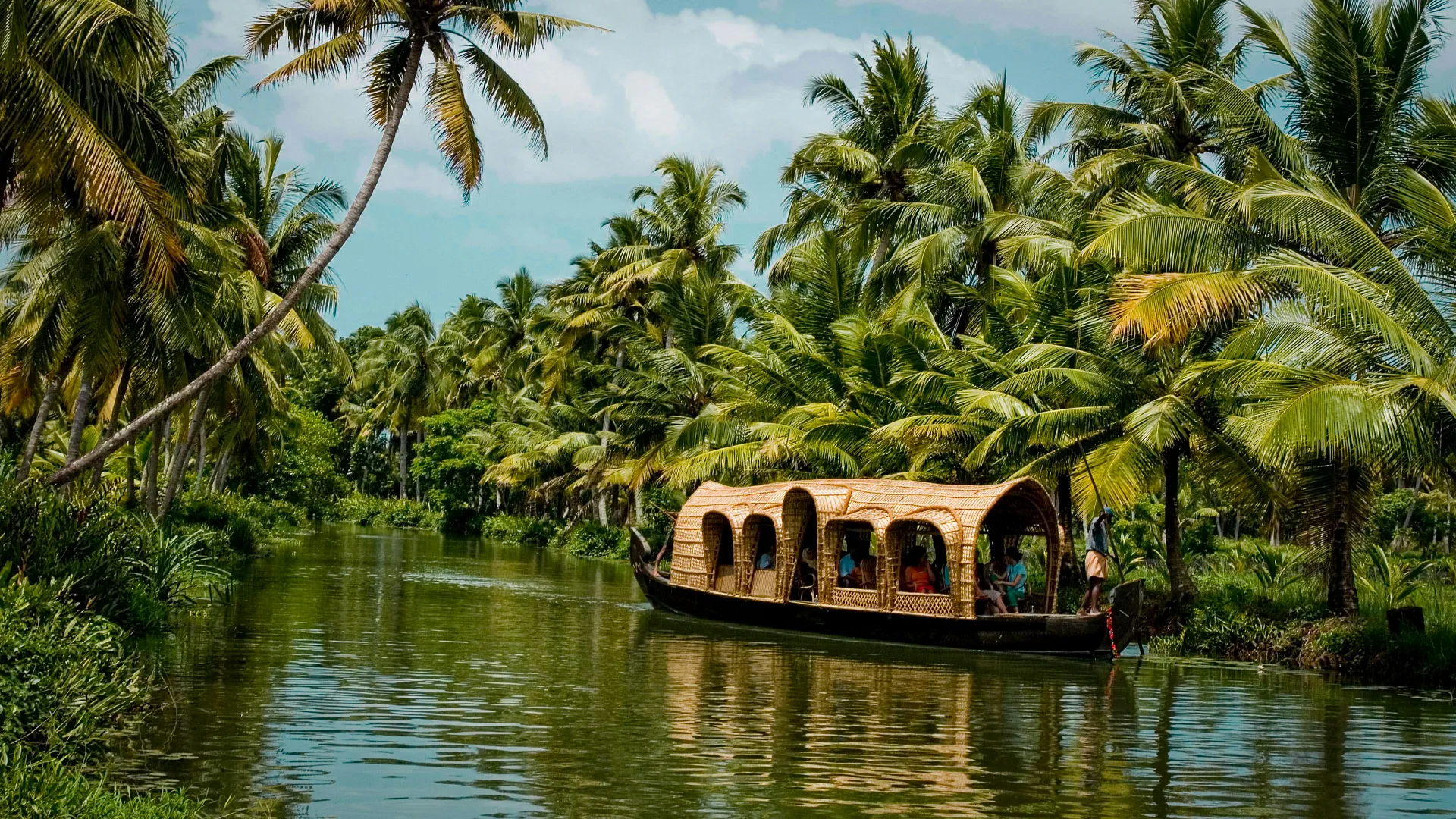
Nowhere else on Earth strings together quite this network of palm-fringed canals, paddy fields and houseboats. Push off from Alleppey at sunset, drift through Vembanad Lake at three knots, and wake up the next morning to the sound of village life unfolding on the banks. The backwaters aren't a sightseeing stop — they're a state of mind. A one-night houseboat is the minimum; two nights is the move.
- Alleppey Houseboat
- Vembanad Lake
- Kumarakom Bird Sanctuary
- Village Life on Banks
 Reason 2
Ayurveda the Way It Was Meant to Be
Kerala is the global home of Ayurveda — the state where the 5,000-year-old science of wellness is still practised seriously, not just as a spa menu add-on. A proper clinic-led detox (Panchakarma) takes a minimum of seven days with a resident vaidya (physician), daily oil therapies, specific diets, and yoga. Resorts like Kalari Kovilakom and CGH Earth's properties set the benchmark. Don't confuse a one-hour Abhyanga massage with Ayurveda.
- Panchakarma Detox
- Resident Vaidya
- Daily Oil Therapies
- Sattvic Diet
 Reason 3
The Tea Country at Munnar Is Cooler Than You Expect
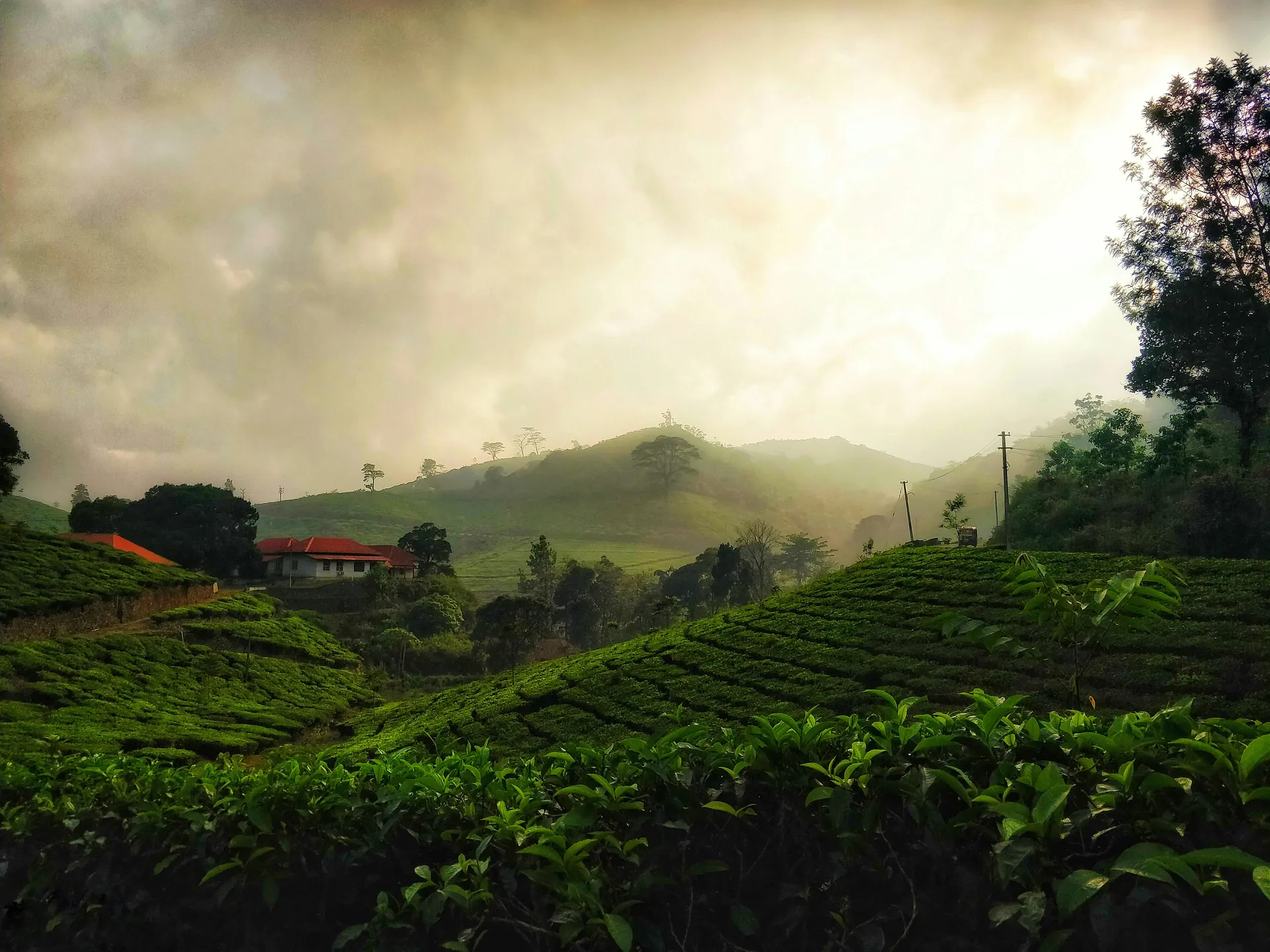
At 1,600m above sea level, Munnar's tea estates rolling away to the horizon are reason enough to climb up from the coast. The air is crisp, the light is golden, and the tea factory tour at Tata's Kannan Devan is a surprisingly fascinating process walk. Stay at a colonial-era tea planter's bungalow, wake up to mist rolling through the hills, and spend your days on winding drives through Anamudi, South India's highest peak.
- Kannan Devan Tea Museum
- Anamudi Peak
- Colonial Bungalow Stay
- Tea Factory Tour
 Reason 4
The Food Is Its Own Continent
Kerala cuisine is unlike anything else in India — coconut, curry leaves, mustard seeds, and tamarind build flavours that North Indian palates rarely meet. Appam with stew for breakfast, Malabar biryani from Thalassery, karimeen pollichathu (pearl spot fish in banana leaf), and the legendary Kerala Sadya — a 24-dish vegetarian feast served on a banana leaf. The food alone is worth the flight.
- Kerala Sadya (24 dishes)
- Malabar Biryani
- Karimeen Pollichathu
- Appam with Stew
 Reason 5
Heritage You Can Sleep In
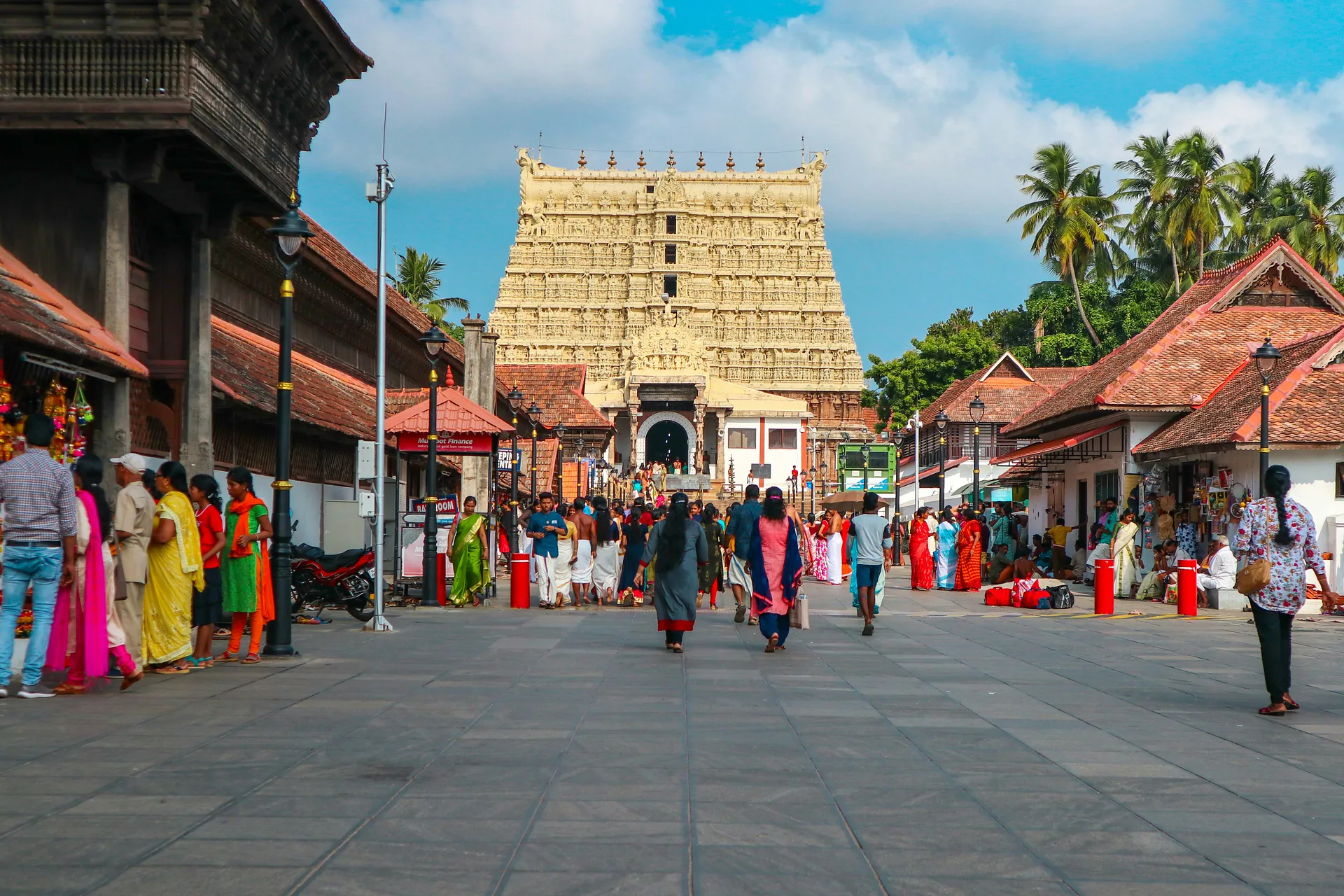
Fort Kochi's spice warehouses, 300-year-old Portuguese homes, and colonial bungalows have been beautifully restored as boutique hotels that feel more like staying in a museum than a hotel. Walk past Chinese fishing nets at dawn, visit the 1510-built Paradesi Synagogue (the oldest in the Commonwealth), and catch a Kathakali performance at the Kerala Kathakali Centre in the evening. Three nights in Fort Kochi feels like three weeks in a different century.
- Chinese Fishing Nets
- Paradesi Synagogue (1510)
- Kathakali Performance
- Heritage Boutique Hotels
Reason 6
Wildlife With Very Little Crowd
Periyar Tiger Reserve and Wayanad Wildlife Sanctuary offer elephants, gaur, sambar deer and incredible birdlife — with a fraction of the tourist numbers you'll find at Ranthambore or Kaziranga. The bamboo rafting at Periyar and the jeep safaris at Wayanad feel intimate, almost private. Kerala's forests are the Western Ghats' crown jewel — a UNESCO World Heritage biodiversity hotspot with over 500 bird species.
- Periyar Tiger Reserve
- Wayanad Wildlife Sanctuary
- Bamboo Rafting
- 500+ Bird Species
 Reason 7
It's Pleasant When Most of India Isn't
September to March is Kerala's sweet spot — warm but never hot, dry but not parched, perfect for beaches, backwaters and hills alike. While the rest of India battles the searing heat of April-June or the humidity of monsoon, Kerala sits in a Goldilocks zone. December and January see temperatures hovering around 28°C with low humidity. That's why it's consistently rated among the world's best winter sun destinations.
- Sep–Mar Sweet Spot
- 28°C Average Winter
- Low Humidity
- Beach-Ready December
Signature Experiences
Beyond the 7 reasons, these are the moments our travellers remember long after they're home.
Kathakali Dance Performance
2,000-year-old classical dance-drama with elaborate makeup and costumes. Watch the transformation from backstage first — that's where the real magic is.
Kerala Sadya Feast
24 vegetarian dishes served on a banana leaf, eaten with your hands. The ritual, the flavours, the hospitality — it's a cultural experience as much as a meal.
Spice Plantation Tour
Walk through Thekkady's cardamom, pepper, vanilla and cinnamon plantations with a local guide. You'll never look at a spice rack the same way again.
Sunset at Chinese Fishing Nets
Fort Kochi's 600-year-old cantilevered nets are most magical at golden hour. Buy the day's catch fresh from fishermen and have it cooked nearby.
When to Go & What to Pack
Kerala is a year-round destination, but the seasons matter. Here's how to pick your window and pack smart.
When to Go
- Sep–Mar (best — dry, 28°C)
- Apr–May (hot, 35°C+, less crowds)
- Jun–Aug (monsoon — lush, cheap)
- Onam festival (Aug/Sep)
- Avoid peak Christmas rates
Clothing
- Light cotton clothes
- Modest wear for temples
- Swimwear for beaches
- Light jacket for Munnar (cool nights)
- Comfortable walking shoes
- Umbrella / light raincoat
Essentials
- Mosquito repellent
- Sunscreen SPF 50+
- Reusable water bottle
- Camera for backwater sunsets
- Power bank
- Hand sanitiser
Frequently Asked Questions
Everything travellers ask us before booking their first Kerala trip.
Kerala holiday packages
Backwaters, tea hills and the Malabar coast — 5 nights from ₹43,000 per person, with named hotels and private transfers.
See the itineraryCorporate MICE & events
Conferences, dealer meets, product launches and incentive programmes for up to 1,000 delegates — proposal within 48 hours.
Request a proposalFrom our blog — travel stories, guides, and itineraries from destinations around the world.





Liked this story?
Talk to our advisors and let's turn it into your next trip.